Victoria’s Top Assist Dog Trainer Tips!
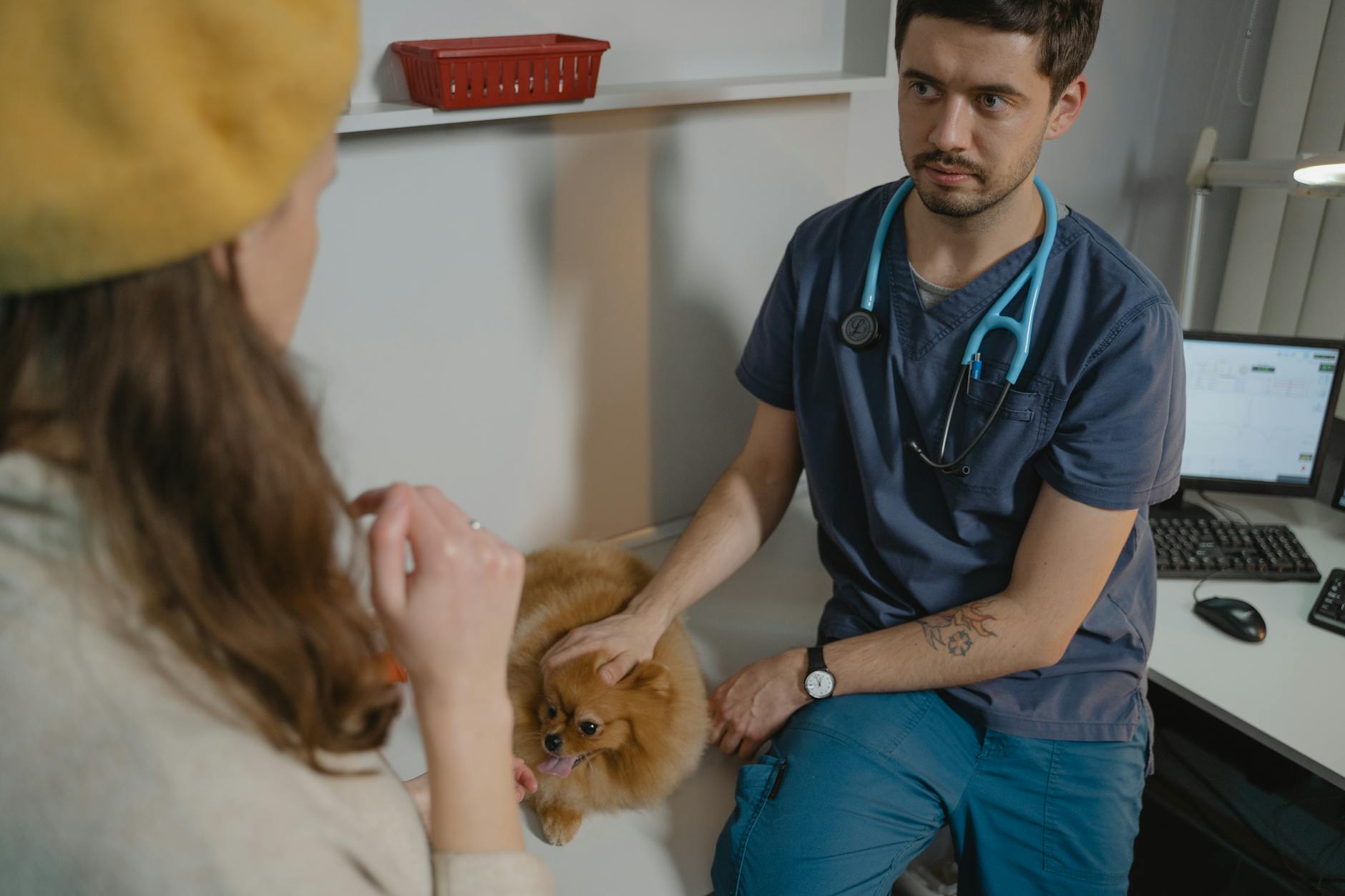
Assisting dogs, or service dogs, are invaluable companions for individuals with disabilities. They perform tasks that can greatly improve the quality of their handler's life. Training an assist dog requires patience, consistency, and an understanding of dog behavior. Victoria, a renowned assist dog trainer, shares her top training tips to help you transform your dog into a reliable helper.
Understanding the Basics of Assist Dog Training
Before delving into the specific training tips, it is crucial to understand what assist dog training entails. The process includes teaching the dog obedience, specific tasks related to the handler's needs, and fostering a strong bond between the dog and its handler.
Obedience Training
A well-trained assist dog must have a strong foundation in obedience. Here are some strategies to achieve this:
-
Positive Reinforcement: Reward your dog for good behavior. Treats, praise, and playtime are all excellent motivators.
-
Consistency is Key: Use the same commands and reward system so your dog knows what to expect.
-
Short and Sweet Sessions: Keep training sessions short to maintain your dog's attention. Gradually increase the duration as your dog's endurance improves.
Task Training
Task training is about teaching your dog specific skills that will aid their handler. Follow these tips for effective task training:
-
Break Down Tasks: Divide complex tasks into smaller, manageable steps. This will make it easier for your dog to learn and retain information.
-
Repetition: Repeat tasks regularly to reinforce learning and create muscle memory.
-
Real-Life Scenarios: Practice tasks in the environments where they will be performed to ensure your dog can execute tasks under various conditions.
Building a Strong Bond
The bond between an assist dog and their handler is critical. Here's how to strengthen this relationship:
-
Trust Building Exercises: Engage in activities that build mutual trust. Agility courses or simple games can help.
-
Quality Time: Spend one-on-one time with your dog beyond training sessions.
-
Respect and Patience: Always treat your dog with respect and patience. Training can be just as challenging for them as it is for you.
Victoria's Proven Techniques
Now, let's explore some of Victoria's proven techniques that have helped countless dogs become effective assist companions.
Mastering Basic Commands
Begin with commands like "sit," "stay," "come," and "down." Once your dog has mastered these, you can start introducing more complex instructions relevant to assisting tasks.
-
Sit: Essential for keeping your dog under control in public spaces.
-
Stay: Important for times when they need to remain in position until given the next command.
-
Down: Useful for ensuring they are unobtrusive, especially in tight spaces.
Custom Task Proficiency
Identify the tasks your assist dog will need to perform and tailor the training accordingly. Here are a few examples:
-
Alerting to Sounds: If the handler has a hearing impairment, the dog could alert them to doorbells or alarms.
-
Retrieving Items: Teach your dog to fetch items like medication or a phone.
-
Providing Balance: For mobility issues, dogs can learn to offer physical support.
Socialization and Desensitization
Expose your dog to various environments, sounds, and people. This will help them to remain calm and focused, no matter the situation.
-
Public Access Training: Take your dog to different public locations to get them used to varied stimuli.
-
Desensitization: Introduce your dog to loud noises and fast movements gradually so they don't become fearful.
Final Thoughts on Transforming Your Dog
Training an assist dog is a rewarding journey. Remember to be patient and to recognize and celebrate your dog's progress. Use Victoria's tips to foster obedience, teach specific tasks, and strengthen the bond between you and your canine companion. With dedication and the right guidance, your dog will be ready to provide invaluable assistance, enhancing your life in countless ways.